
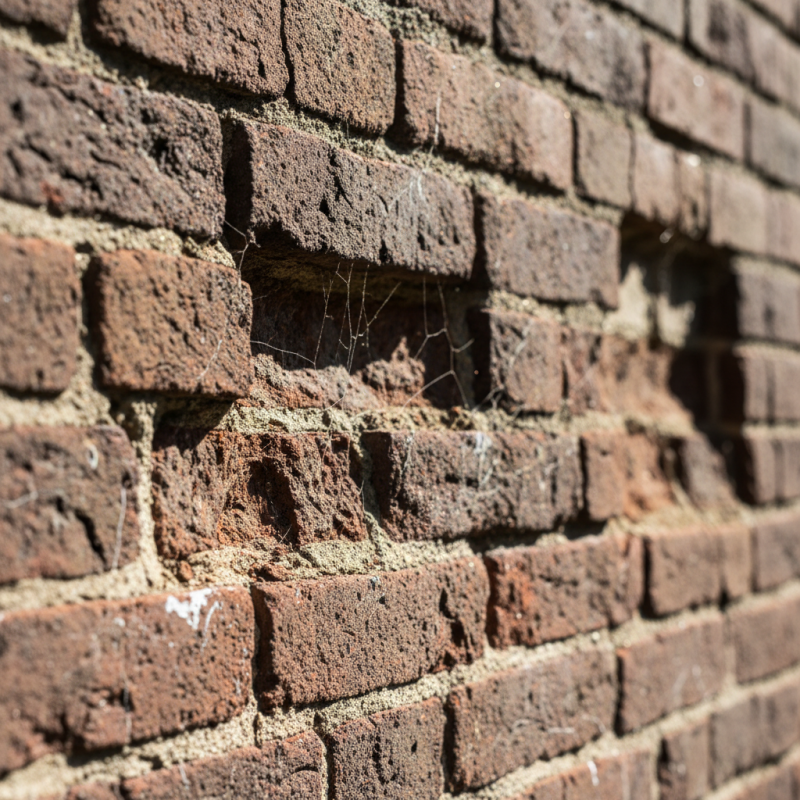
Brickwork & Pointing
Brickwork and pointing aren’t just cosmetic — they protect your home’s structure.
By checking and addressing any issues before going to market, you increase buyer confidence, reduce the risk of price renegotiation and present your property as well maintained.
Because when buyers…
MoreBrickwork and pointing aren’t just cosmetic — they protect your home’s structure.
By checking and addressing any issues before going to market, you increase buyer confidence, reduce the risk of price renegotiation and present your property as well maintained.
Because when buyers feel confident about the structure, they’re far more confident about their offer.
When preparing your home for sale, it’s easy to focus on interiors — kitchens, bathrooms and décor. But buyers (and surveyors) pay just as much attention to the outside of your property.
Brickwork and pointing are key structural elements, and neglecting them can affect buyer confidence, survey results and ultimately your sale price.
First Impressions Start Outside
Cracked mortar, loose pointing or deteriorating brickwork can immediately make a property look poorly maintained.
Even if the issue is minor, buyers often think:
“Is there damp getting in?”
“Will this need expensive repair work?”
"What else hasn’t been looked after?”
That uncertainty can reduce enthusiasm — and offers.
What Is Pointing — and Why Does It Matter?
Pointing is the mortar between bricks that holds the structure together and keeps water out.
Over time, weather exposure causes mortar to:
Crack
Crumble
Recede
Become loose
When pointing fails, moisture can penetrate the walls, leading to damp problems and long-term structural issues.
Surveyors routinely flag defective pointing — and that can trigger renegotiations.
Preventing Survey Down-Valuations
Even relatively straightforward brickwork repairs can appear serious in a survey report.
If a survey mentions:
“Deteriorating mortar joints”
“Localised brick spalling”
“Evidence of water penetration”
Buyers may request quotes and attempt to reduce the agreed price.
Addressing visible defects before marketing your home removes this leverage.
Small Repairs, Big Impact
Repointing small sections, replacing damaged bricks and cleaning up exterior walls can:
Improve kerb appeal
Demonstrate proper maintenance
Reduce survey concerns
Strengthen your negotiating position
It’s often a modest investment compared to the potential reduction a buyer might request.
Find local people who can help below ...
Less