Our Quick Guide to Conveyancing - Buying or selling a property is exciting, but once an offer has been accepted, the legal work begins. This process is known as "conveyancing". Conveyancing is the legal transfer of ownership of a property from one person to another. In England and Wales, the process usually takes 10 to 16 weeks, although more straightforward transactions can complete faster and complex chains may take longer.
Understanding what happens at each stage can help reduce stress and keep your move on track.
Sellers should instruct a Conveyancer before their home goes on the market so they can:
- Complete the Property Information Form (TA6).
- Complete the Fittings & Contents Form (TA10).
- If leasehold, complete the Leasehold Information Form (TA7).
- Provide proof of identity.
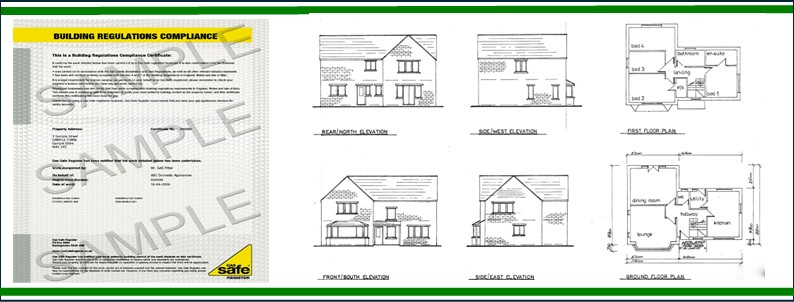
- Gather guarantees, planning permissions and certificates.
- Identify and resolve issues early on
Buyers - you'll need to instruct your conveyancer once you have found a suitable property to buy. That said whilst you are looking for a suitable property to become available it is a great time to search the market and get some quotes. Before you start looking for a property you should also have spoken to a mortgage advisor to make sure you can get a mortgage and how much you can borrow.
Week 1 - Your solicitor will want you to
- Provide proof of identity and source of funds.
- Pay money on account for searches.
Top Tip: Don't wait until you've accepted an offer. Having a conveyancer ready can save valuable time.
Week 2–4: Draft Contracts and Searches -
The seller's conveyancer prepares a draft contract and sends it to the buyer's solicitor.
The buyer's conveyancer will then order various legal searches, including:
- Local Authority Search
- Drainage & Water Search
- Environmental Search
- Flood Risk (where appropriate)
- Mining or Ground Stability Searches (if applicable)
During this time the seller should have completed their mortgage application and arranged a property survey if required.
Week 3–6: Raising Enquiries - Once the buyer's solicitor receives the contract pack and search results, they will raise legal enquiries. These may include questions about:
- Planning permissions
- Building regulations
- Boundaries
- Rights of way
- Guarantees
- Alterations
- Lease information
- Service charges (leasehold)
The seller's solicitor obtains answers from the seller before responding. This stage often takes the longest and is where many transactions experience delays.
Week 5–10: Mortgage Offer and Survey - If the buyer is obtaining a mortgage:
- The lender carries out a valuation.
- The mortgage offer is issued.
- Any survey recommendations can be investigated.
- The buyer decides whether to proceed or renegotiate if issues are discovered.
Week 8–12: Exchange of Contracts - Once everyone is satisfied:
- All enquiries have been answered.
- Searches are complete.
- Mortgage offer received.
- Deposit is available.
- Completion date agreed.
Both parties sign their contracts. Contracts are then exchanged. At this point the transaction becomes legally binding. Neither buyer nor seller can withdraw without financial consequences.
Week 9–16: Completion - On completion day:
- The buyer's solicitor transfers the purchase funds.
- The seller's solicitor confirms receipt.
- Ownership legally changes hands.
- The estate agent releases the keys.
- You can move into your new home.
Congratulations—you're officially moved!
After Completion - Buyer Your conveyancer will:
- Pay any Stamp Duty Land Tax (if applicable).
- Register your ownership with HM Land Registry.
- Register your mortgage.
- Send you confirmation once registration is complete.
Registration can take anywhere from a few weeks to several months depending on the Land Registry's workload.
How to Speed Up Conveyancing - While some delays are unavoidable, there are plenty of things you can do to help keep your sale moving:
Sellers:
- Choose your conveyancer before your property goes on the market.
- Complete all paperwork as quickly as possible.
- Be honest about any issues with the property.
- Gather guarantees, certificates and planning documents in advance.
- Respond promptly to any enquiries from your solicitor.
- Keep in regular contact with your estate agent and conveyancer.
Buyers:
- Ensure your mortgage application is submitted quickly.
- Book your survey early.
Common Causes of Delays - Some delays are beyond your control, but the most common include:
- Slow local authority searches
- Missing paperwork
- Delays in mortgage approvals
- Long property chains
- Leasehold management packs taking weeks to arrive
- Unanswered legal enquiries
- Problems discovered during the survey
The Bottom Line - Conveyancing is one of the most important parts of buying or selling a home. Although the legal process can seem complicated, choosing an experienced conveyancer, preparing your paperwork early and responding quickly to requests can make a significant difference. The average transaction in England and Wales takes around "10 to 16 weeks", but being organised from the start can help reduce unnecessary delays and keep your move progressing as smoothly as possible.